Northern Thailand Adventure Bikes: Engine Specs & Performance Guide

Navigating the legendary Mae Hong Son loop or tackling the steep, red-clay mountain passes of Chiang Rai demands more than just basic riding skills. It requires a machine built to handle punishing heat, relentless elevation changes, and unpredictable terrain. When tackling the mountainous topology of northern Thailand, engine specifications dictate whether you conquer a gradient with confidence or struggle through every switchback. Choosing adventure bikes for Northern Thailand rides involves understanding how displacement, torque delivery, and chassis geometry interact with local road conditions. This comprehensive performance guide breaks down the essential metrics every rider needs to analyze before renting or buying a two-wheeled explorer for the Land of Smiles.
The Anatomy of Northern Thailand Terrain
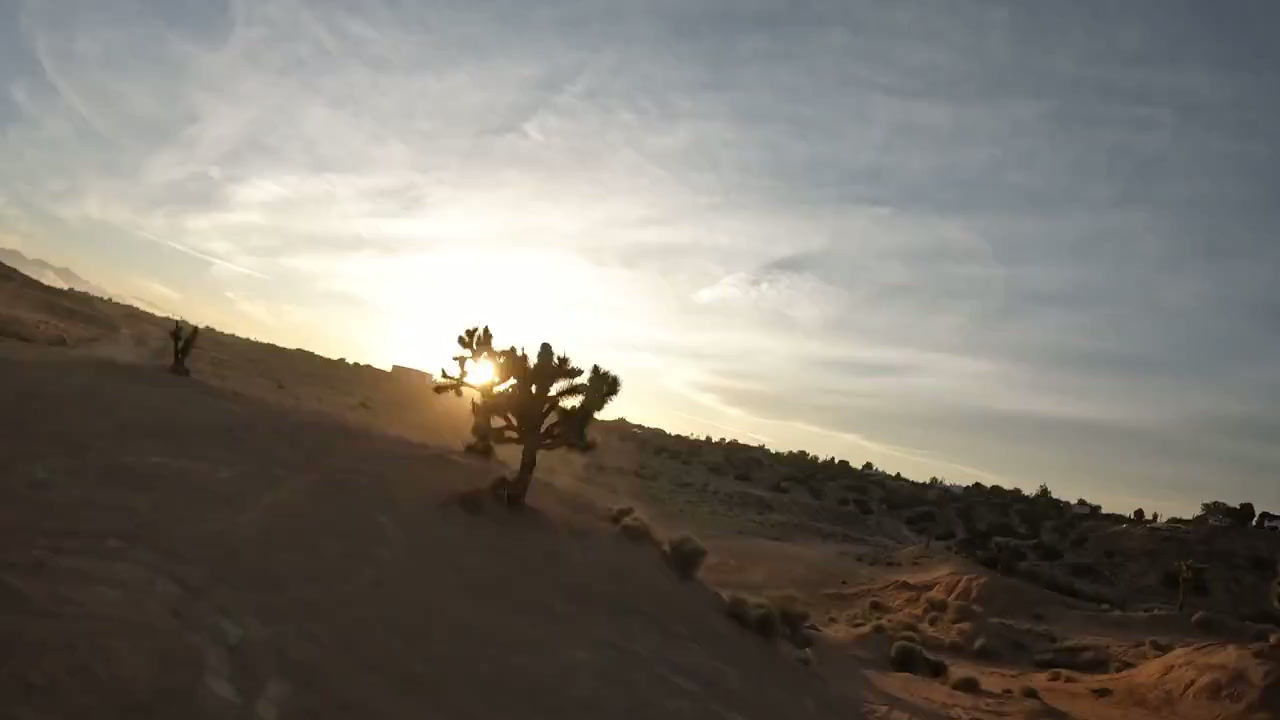
Northern Thailand features some of the most dynamic riding terrain in Southeast Asia, mixing freshly paved coastal-style sweepers with cratered agricultural tracks. You will encounter the infamous 1888 curves of Route 1095, where loose gravel on blind corners can catch unwary tourists off guard. Altitude also plays a major role, with peaks like Doi Inthanon exceeding 2,500 meters above sea level.
As elevation increases, internal combustion engines lose approximately one percent of their power for every 100 meters climbed due to thinner air. Fuel-injected systems compensate much better than old carbureted models, adjusting the air-fuel ratio automatically to prevent sputtering mid-climb. Understanding how motorcycle engines, bike types and performance characteristics adapt to these high-altitude shifts is critical for a smooth journey.
Small Displacement Warriors: 150cc to 300cc Performance
For decades, lightweight dual-sports have been the undisputed kings of the northern backcountry. Machines like the Honda CRF300L and Kawasaki KLX230 dominate the rental shops of Chiang Mai for good reason. They are nimble, incredibly easy to pick up after a minor drop, and forgiving on slick mud.
Power-to-Weight Ratio Advantages
- Exceptional agility in tight, technical single-track trails and narrow mountain passes.
- Minimal physical fatigue when wrestling the bike through deep ruts or river crossings.
- Outstanding fuel economy, crucial when traversing remote stretches with sparse petrol stations.
However, these smaller powerplants require aggressive gear work to maintain momentum on steep highway inclines. Producing around 20 to 27 horsepower, they scream at high RPMs when cruising at 100 kilometers per hour on national highways. If your route involves significant highway transit before hitting the dirt, these lightweight thumpers will feel stretched to their limits.
Middleweight Explorers: The Sweet Spot for Touring and Trails
Stepping up to the 500cc to 800cc middleweight category transforms the long-distance touring experience. Bikes like the Honda CB500X, Suzuki V-Strom 650, and Yamaha Tenere 700 strike an ideal balance between highway comfort and off-road capability.
Torque Curves and Hill-Climbing Prowess
Middleweight twin-cylinder engines deliver robust low-end and mid-range torque, allowing riders to tractor up steep, loose-surface inclines without constantly fanning the clutch. When choosing adventure bikes for Northern Thailand rides, this category offers the best compromise for riders planning a mix of paved touring and moderate off-road exploration.
- Smooth power delivery reduces rear-wheel spin on loose gravel and wet clay.
- Generous subframe weight capacity easily accommodates camping gear and saddlebags.
- Stable high-speed cruising reduces rider fatigue during long highway transits between provinces.
The trade-off comes in weight and physical dimensions. Weighing anywhere from 190 to 220 kilograms fully fueled, these bikes demand respect and active body positioning when the traction disappears. Novice riders might find low-speed U-turns on sloping dirt roads intimidating until they master rear-brake modulation.
Heavyweight Titans: Conquering the Super-Slab and Beyond
Large-displacement adventure tourers, ranging from 1000cc upwards, are engineering marvels designed for trans-continental travel. While you will see riders tackling northern routes on BMW R1250GS or Ducati Multistrada models, these heavyweights come with distinct operational challenges.
Managing Mass in the Mountains
The sheer horsepower and electronic rider aids of modern big-bore adventure bikes make highway transit effortless. Advanced traction control, cornering ABS, and semi-active suspension iron out road imperfections with luxurious ease.
- Immense passing power makes overtaking slow-moving trucks on mountain passes safe and swift.
- Sophisticated electronics manage traction loss on slippery surfaces automatically.
- Superior wind protection and ergonomics prevent long-distance touring fatigue.
Yet, the physical mass of a 250-kilogram motorcycle becomes a severe liability if you venture onto wet red clay or unpaved farming trails. Lifting a loaded heavyweight in 35-degree heat requires serious physical exertion. These machines truly shine when staying on asphalt, making them less ideal if your primary goal is exploring hidden waterfalls down muddy logging roads.
Suspension Travel and Ground Clearance Realities
Engine performance means nothing if your chassis cannot absorb the violent impacts of unpaved northern tracks. Potholes, washed-out bridge joints, and hidden rocks are common hazards across rural provinces like Mae Hong Son and Nan.
When evaluating bike types, pay close attention to suspension travel specifications. A minimum of 180 millimeters of front and rear travel is recommended for comfortable off-road transit. Furthermore, sturdy engine crash bars and an aluminum skid plate are absolute necessities. Factory exhaust headers routed underneath the engine are vulnerable to rock strikes, meaning aftermarket protection saves you from catastrophic repair bills miles from the nearest mechanic.
Frequently Asked Questions
Which engine displacement is best for a first-time rider in Northern Thailand?
A 250cc to 300cc dual-sport or light adventure bike is the safest choice for beginners. These models provide manageable power, lightweight agility, and enough stamina to handle steep mountain gradients without overwhelming the rider.
Do I need a manual clutch motorcycle, or will a scooter work?
While automatic scooters like the Honda Click or PCX complete the Mae Hong Son loop daily, they lack proper engine braking, manual gear selection, and robust suspension. A proper motorcycle with a manual transmission is vastly safer and more capable for mountainous terrain.
How does high altitude affect motorcycle performance in Northern Thailand?
Internal combustion engines lose power as altitude increases because air density drops. Modern fuel-injected motorcycles automatically adjust air-fuel mixtures to minimize power loss, performing much better at high-elevation peaks than older carbureted bikes.
Is off-road insurance included when renting adventure bikes in Chiang Mai?
Standard rental insurance in Thailand rarely covers off-road damage, single-vehicle accidents, or comprehensive medical expenses. Riders should thoroughly inspect policy fine print and consider securing specialized travel insurance that explicitly covers motorcycle operation abroad.
Selecting the ideal adventure machine for northern Thailand ultimately depends on your riding background, route planning, and comfort with mechanical weight. If your itinerary prioritizes rugged dirt tracks and remote village trails, lean toward a lightweight 300cc thumper. If you prefer long paved sweeping corners with occasional light gravel excursions, a middleweight twin will reward you with comfort and relentless torque. Respect the mountain environment, invest in proper protective gear, and match your machine's capabilities to your personal skill level for an unforgettable northern journey.


Comments