
Heavy Load Touring: Thai Highway Engine Performance & Bike Guide
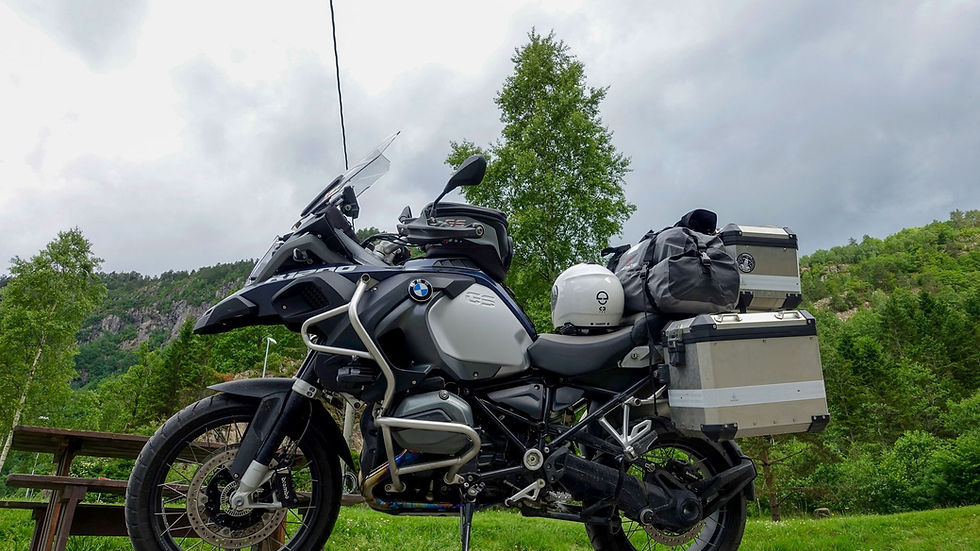
Embarking on a long-distance motorcycle journey across the vibrant landscapes of Southeast Asia is a rite of passage for many riders. Yet, the reality of traversing the asphalt arteries of Thailand with camping gear, spare parts, and weeks of luggage transforms a simple ride into a rigorous mechanical test. Handling heavy loads on Thai highways requires more than just careful packing. It demands an intimate understanding of machine capability, suspension tuning, and thermal management. When your bike weighs as much as a small car with the rider, passenger, and cargo combined, every mechanical component works overtime. Choosing the correct platform becomes the single most critical decision you will make before turning the ignition key.
The Realities of Riding Under Weight on Thai Infrastructure
Thailand boasts some of the finest paved road networks in the region, ranging from multi-lane expressways like Highway 1 to the undulating, technical mountain passes of Mae Hong Son. However, maintaining high cruising speeds on these routes while carrying hundreds of extra kilograms places unique stresses on your machine. Crosswinds from open rice paddies hit loaded panniers like sails. Meanwhile, sudden tropical downpours turn asphalt into a slick film of oil and water.
Motorcycle engines, bike types and performance characteristics dictate how your machine reacts when pushed to its limits in these conditions. A lightweight commuter underbone might manage a weekend bag, but strap fifty kilograms of gear to it, and the chassis will flex dangerously through high-speed sweepers. Understanding how your power plant delivers torque matters immensely when you need to execute a safe overtake on a two-lane national highway with a heavy tail.
Evaluating Engine Architectures for Heavy Touring
When we look at power plants, displacement is only part of the equation. Torque delivery, cylinder configuration, and cooling systems determine whether an engine will purr across the Khorat Plateau or overheat in slow-moving Bangkok congestion.
Single-Cylinder Thumpers Versus Multi-Cylinder Smoothness
Single-cylinder engines, typically found in dual-sport and entry-level adventure machines, offer mechanical simplicity and strong low-end grunt. They let you tractor up steep, unpaved inclines with ease. However, when loaded down on a highway cruising at 110 kilometers per hour, singles often buzz aggressively, transferring fatigue straight to your wrists.
Multi-cylinder engines, particularly parallel-twins and V-twins, provide a much broader power band and smoother highway performance. They maintain momentum effortlessly against headwinds and require fewer gear changes when climbing mountain passes with a full payload.
- Single-Cylinder: Lightweight, easy trailside repairs, excellent low-end torque, high vibration at sustained highway speeds.
- Parallel-Twin: Balanced power delivery, smooth high-speed cruising, moderate weight penalty, slightly more complex maintenance.
- V-Twin: Exceptional mid-range pull, distinct exhaust note, excellent weight centralization, wider engine profile.
Matching Bike Categories to Touring Demands
Not all motorcycles are born equal when it comes to hauling cargo. Selecting the right segment prevents premature frame fatigue and dangerous handling characteristics.
Adventure Tourers: The Apex Predators of Highway Hauling
Adventure motorcycles are purpose-built for this exact mission. With reinforced subframes designed to carry heavy aluminum panniers and top boxes, they distribute weight effectively. Their long-travel suspension absorbs the imperfections of patched asphalt, while detuned, torquey engines pull heavy loads from low RPMs without hesitation.
Sport-Tourers and Naked Bikes: The Asphalt Specialists
If your route sticks strictly to tarmac, sport-tourers offer wind protection and planted high-speed stability. Naked bikes can also handle touring duties with soft luggage or rack systems, but the lack of fairings means you will fight helmet buffeting over long distances. Frame geometries on these bikes are sharper, meaning added rear weight can lighten the front wheel uncomfortably during hard acceleration out of corners.
Thermal Management in Tropical Climates
Thailand's ambient temperatures frequently exceed 35 degrees Celsius, with humidity pushing heat indexes even higher. When you add heavy cargo, the engine works significantly harder, generating internal heat that must be dissipated rapidly.
Liquid-cooled engines maintain stable operating temperatures much better than air-cooled units under heavy load. If you ride an air-cooled machine, monitor your oil levels religiously and consider installing an aftermarket oil cooler. Synthetic oils are non-negotiable here, as they resist thermal breakdown far better under sustained high-load conditions.
Suspension and Braking Adjustments
Loading a motorcycle alters its geometry, shifting the center of gravity rearward and upward. Without proper adjustments, your bike will wallow in corners and suffer from vague front-end feedback.
- Preload: Crank up your rear preload to compensate for cargo weight, maintaining proper sag and headlight alignment.
- Damping: Increase rebound damping slightly to prevent the rear end from pogoing after hitting highway expansion joints.
- Braking: Anticipate longer stopping distances; upgrade to sintered brake pads and steel-braided lines if your factory setup feels spongy under load.
Frequently Asked Questions
How does carrying heavy luggage affect my motorcycle fuel consumption on Thai highways?
Expect a 15 to 30 percent increase in fuel consumption due to increased rolling resistance, engine load, and aerodynamic drag from bulky panniers. Plan your fuel stops more frequently, especially in remote northern provinces where petrol stations can be sparse.
Should I upgrade my motorcycle suspension before a heavy load tour in Thailand?
If your stock suspension bottoms out easily or lacks adjustable preload, upgrading springs or shocks is highly recommended to maintain safe handling and tire contact patches on rough roads.
Is a 300cc motorcycle enough for touring Thai highways with gear?
Yes, a 300cc to 400cc machine can comfortably navigate Thai highways at legal speeds, but you will need to plan overtakes carefully and work the gearbox harder when climbing steep gradients with full luggage.
How can I prevent my motorcycle from overheating in slow Thai traffic while fully loaded?
Ensure your radiator fins are clean, use high-grade engine coolant, check your fan switch operation, and avoid slipping the clutch excessively when creeping through urban congestion.
Mastering long-distance travel across Thailand with a heavily laden machine transforms you from a casual rider into a true expedition motorcyclist. By respecting the limits of your engine, properly tuning your suspension for the extra mass, and selecting a motorcycle architecture suited to the environment, you ensure a safe and memorable journey. Take the time to dial in your setup before leaving the city limits, and the open roads of the Kingdom will reward you with unforgettable adventures. Inspect your tires, tighten your mounting racks, and enjoy the ride.


Comments