
Exploring the Performance Differences Between Ducati V2 and V4 Engines
- phoboswebservice
- Jan 14
- 3 min read
Ducati has long been a leader in motorcycle engineering, known for its powerful engines and distinctive design. Among its lineup, the V2 and V4 engines stand out as two very different approaches to performance and riding experience. Understanding how these engines differ can help riders choose the right bike for their needs and appreciate the engineering behind each model.

The Basics of Ducati V2 and V4 Engines
The Ducati V2 engine, often referred to as the L-twin, features two cylinders arranged in a V shape at a 90-degree angle. This design has been a Ducati hallmark for decades, prized for its balance of power, torque, and manageable size. The V2 engine is commonly found in models like the Ducati Panigale V2 and the Monster series.
In contrast, the Ducati V4 engine is a more recent innovation, with four cylinders arranged in a V configuration. This engine powers high-performance models such as the Panigale V4 and the Streetfighter V4. The V4 engine is designed to deliver higher horsepower and smoother power delivery, targeting riders who want top-tier performance on both road and track.
Power and Performance Comparison
When comparing the two engines, power output is one of the most noticeable differences. The Ducati V2 engine typically produces between 150 and 170 horsepower depending on the model and tuning. This power level offers strong acceleration and excellent torque, making the V2 well-suited for riders who want a balance of performance and control.
The Ducati V4 engine, however, pushes power much higher. For example, the Panigale V4 produces around 214 horsepower, a significant jump over the V2. This increase translates to faster acceleration, higher top speeds, and more aggressive throttle response. The V4’s four-cylinder layout allows for smoother power delivery at high RPMs, which benefits riders aiming for track performance or spirited riding.
Engine Design and Riding Experience
The V2 engine’s design emphasizes a compact and lightweight package. Its 90-degree V-twin layout provides a distinctive exhaust note and strong low-to-midrange torque. This makes the V2 engine feel lively and responsive in everyday riding conditions. Riders often appreciate the V2’s character and the way it delivers power in a way that feels connected and manageable.
The V4 engine, with its additional cylinders, is larger and more complex. It uses advanced technologies such as desmodromic valves and counter-rotating crankshafts to reduce inertia and improve handling. The V4’s smooth power curve and high revving nature make it ideal for riders who want precision and speed. However, this engine can feel more aggressive and demanding, especially for less experienced riders.

Practical Considerations for Riders
Choosing between a Ducati V2 and V4 engine depends on what a rider values most. The V2 engine offers a more approachable power delivery and lighter weight, which can translate to easier handling in urban environments or twisty roads. It also tends to be more affordable and less expensive to maintain, making it a practical choice for many enthusiasts.
The V4 engine suits riders who prioritize maximum performance and are comfortable with a more aggressive machine. Its higher power output and advanced engineering come with increased complexity and cost. Riders who enjoy track days or high-speed riding will benefit from the V4’s capabilities, but it may be less forgiving for casual or beginner riders.
Technology and Innovation in Both Engines
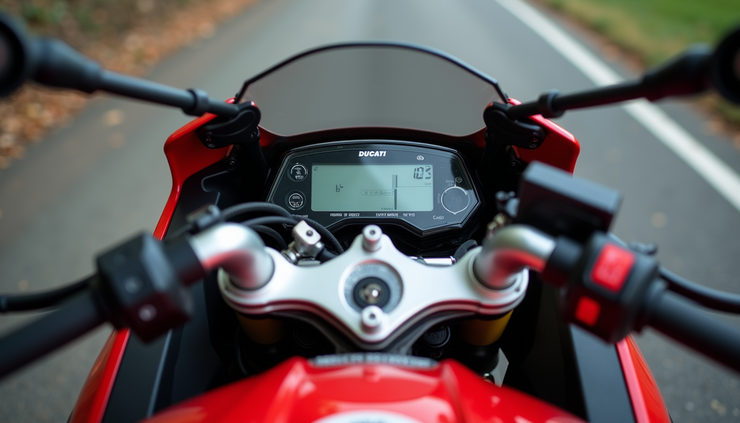
Both engines showcase Ducati’s commitment to innovation. The V2 engine incorporates modern fuel injection, ride-by-wire throttle, and advanced electronics such as traction control and ABS. These features enhance safety and performance without sacrificing the engine’s character.
The V4 engine takes technology further with features like variable intake systems, multiple riding modes, and sophisticated electronic aids that adjust power delivery and suspension settings in real time. These technologies help riders extract the most from the engine while maintaining control under demanding conditions.
Summary of Key Differences
Power Output
V2: Around 150-170 horsepower
V4: Around 214 horsepower
Engine Layout
V2: 90-degree V-twin, compact and lightweight
V4: Four-cylinder V, larger and more complex
Riding Experience
V2: Strong low-to-midrange torque, approachable and lively
V4: Smooth high RPM power, aggressive and precise
Technology
Both have advanced electronics, but V4 includes more sophisticated systems for performance
Cost and Maintenance
V2 generally more affordable and easier to maintain
V4 higher cost, more complex servicing


Comments