Adventure Bike Fuel Efficiency: Modern Engines & Performance Compared

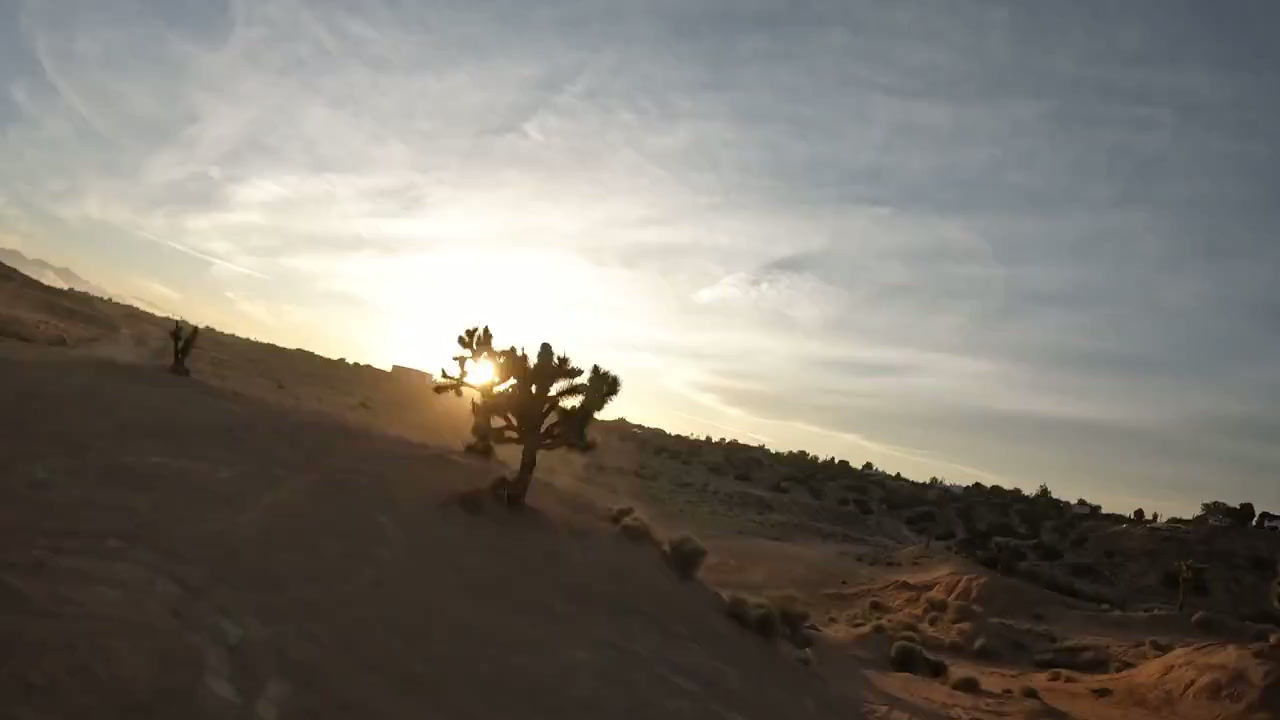
Picture this. You are three hundred miles deep into a remote stretch of the backcountry. Cell service vanished hours ago, the sun is dipping below the horizon, and the next fuel stop is still fifty miles away. You glance down at your dashboard and notice the low fuel light flickering to life. In that exact moment, your adventure bike is not just a machine of thrills. It is your lifeline, and its fuel range is the single most important metric in your world. The evolution of modern adventure bikes has brought us incredible horsepower, sophisticated electronics, and plush suspension setups. Yet, the physics of burning hydrocarbon fuel to propel a heavy, luggage-laden motorcycle across continents remains a fascinating engineering challenge.
We need to look past the spec sheets boasting jaw-dropping horsepower figures. We must examine how fuel efficiency trends in modern adventure bikes actually dictate your real-world riding experience. By analyzing motorcycle engines, bike types and performance characteristics, we can better understand how to balance raw power with touring range. Modern manufacturers face a relentless paradox. Riders demand lighter bikes with more power, greater electronic safety nets, and compliance with increasingly strict environmental regulations. Solving this equation requires a deep dive into thermodynamics, electronic fuel injection mapping, and mechanical design.
The Evolution of Powertrains and Efficiency
The powerplant sitting between your knees dictates everything about your journey. A decade ago, squeezing fifty miles per gallon out of a liter-class adventure machine felt like an engineering miracle. Today, it is an expectation. This leap forward stems directly from fuel efficiency trends in modern adventure bikes that prioritize thermal efficiency over sheer, unbridled fuel consumption. Engineers now use advanced computer fluid dynamics to optimize combustion chambers. They design intake tracts that swirl the air-fuel mixture with surgical precision, ensuring every microgram of gasoline releases maximum energy.
Consider how different motorcycle engines handle the eternal compromise between output and economy. Parallel twins have largely conquered the middleweight and upper-middleweight adventure classes. They offer a narrow profile, centralized mass, and a sweet spot for fuel economy. On the other hand, traditional boxer twins and large-displacement V-twins deliver thumping low-end torque. This torque allows riders to short-shift, keeping revs low and sipping fuel even when carrying full camping gear.
Displacement Versus Economy
It is a common misconception that smaller engines always equate to better fuel economy. While a 300cc dual-sport sips fuel around town, it often works exponentially harder when loaded down on a highway at seventy miles per hour. When a small engine runs at high duty cycles to maintain speed, its efficiency plummets.
Large-displacement powerplants, conversely, loaf along at highway speeds with massive reserves of torque. Because the engine is not straining, the injectors deliver fuel sparingly.
- Middleweight parallel twins often achieve 50 to 60 miles per gallon under mixed riding conditions.
- Litre-plus adventure tourers typically deliver between 40 and 48 miles per gallon during steady highway cruising.
- Heavy off-road usage can slash fuel economy by up to 30 percent across all engine types due to wheel slip and low-gear crawling.
Bike Types and Architecture
The chassis architecture surrounding the engine plays a massive role in overall efficiency. Aerodynamics matter immensely once you clear the city limits. A tall adventure bike punching a massive hole in the atmosphere requires considerable energy just to maintain forward momentum against wind resistance. Manufacturers spend countless hours in wind tunnels shaping fairings and screens to minimize drag coefficients.
Weight is the ultimate enemy of fuel economy. When evaluating bike types and performance characteristics, payload capacity and dry weight dictate how hard the engine must work. Modern adventure machines incorporate lightweight tubular steel trellis frames, cast aluminum swingarms, and composite subframes. Shedding pounds from the chassis means the engine requires less energy to accelerate from a dead stop at every traffic light and every muddy switchback.
The Impact of Rolling Resistance and Drivetrain Loss
Power must travel from the crankshaft through the clutch, transmission, and final drive before hitting the rear tire. Shaft drive systems found on heavy touring adventure models offer incredible reliability and zero maintenance on the trail. However, they suffer slightly higher mechanical parasitic losses than a well-maintained chain drive.
Tire choice also dictates your fuel range. Aggressive knobby tires with deep tread blocks create rolling resistance and aerodynamic drag. Swapping from heavy 50-50 adventure tires to more road-biased 80-20 tires can yield a noticeable bump in highway fuel efficiency over the course of a long trip.
Electronics and Modern Ride Modes
Gone are the days of manual carburetors and guesswork. Modern adventure bikes are rolling supercomputers, utilizing ride-by-wire throttles and inertial measurement units. These systems monitor lean angles, traction loss, and rider inputs five hundred times per second.
Rain mode, Touring mode, and Off-Road mode do more than just manage rear-wheel traction. They dynamically alter ignition timing and fuel delivery maps.
- Eco or Touring modes soften throttle response, preventing abrupt fueling spikes that waste precious fuel.
- Advanced fuel injection systems lean out the mixture during deceleration and light cruising phases.
- Closed-loop oxygen sensor feedback loops allow the engine management computer to adjust fuel trim in real time for changing atmospheric conditions.
Real-World Strategies to Maximize Range
Understanding the engineering behind your machine is only half the battle. Out on the trail, your riding technique dictates your actual fuel range. Aerodynamics start with the rider. Standing up on the footpegs to navigate rough terrain looks heroic, but it turns your body into a massive wind sail, drastically reducing highway fuel economy.
Maintaining your motorcycle is another crucial factor. A clogged air filter starves the engine of oxygen, forcing the computer to dump excess fuel into the cylinders to compensate. Tire pressures also play a hidden role. Underinflated tires increase rolling resistance, forcing the engine to burn extra fuel just to overcome the drag.
Frequently Asked Questions
Why do modern adventure bikes get better fuel economy despite having more horsepower?
Modern adventure bikes achieve superior fuel economy through precise electronic fuel injection, advanced combustion chamber design, and sophisticated engine management computers that optimize the air-fuel ratio in real time.
Does removing luggage racks and top cases significantly improve fuel efficiency?
Yes, removing empty aluminum panniers and top cases eliminates significant aerodynamic drag, which can improve highway fuel economy by several miles per gallon over long distances.
How do different riding modes affect the fuel range of an adventure motorcycle?
Touring or Eco modes soften throttle response and optimize ignition timing to prevent fuel waste during acceleration, whereas aggressive sport modes deliver immediate power bursts that consume fuel faster.
Are shaft-driven adventure bikes less fuel efficient than chain-driven models?
Shaft-driven models experience slightly higher mechanical parasitic losses within the drivetrain compared to chain drives, which can result in a marginal decrease in overall fuel efficiency.
The modern adventure motorcycle is a marvel of balancing opposing forces. We demand relentless power, impenetrable reliability, lightweight handling, and transcontinental range. As manufacturers continue refining engine architectures and electronic management systems, the gap between performance and efficiency shrinks further. Understanding how your machine breathes, burns, and translates power to the pavement empowers you to plan bolder journeys, push deeper into the unknown, and extract every possible mile from your tank. Keep your maintenance tight, respect the wind, and let your engine work efficiently as you chase the horizon.


Comments